It's one of the first questions parents ask us when they enquire: should my child do the class online or come in person? We run both, with the same instructors and the same curriculum, so we see what each one does well and where each one struggles.
Neither is better for every child. But the trade-offs are quite specific, and once you know them, the right choice for your own child usually becomes clear.
Quick Answer: Online classes are convenient, fast and efficient: everything happens on the computer and nobody spends time travelling. The trade-off is that some children are less engaged, feel shy on camera, or struggle with Zoom, tabs and screen sharing, especially younger ones. In-person classes break the ice faster, let children feel the teacher's presence and the environment, make technical problems easy to fix on the spot, and keep children more involved. Older, independent children often do well online; younger or shyer children usually benefit from being in the room.
The Benefits of Online Classes
They're convenient
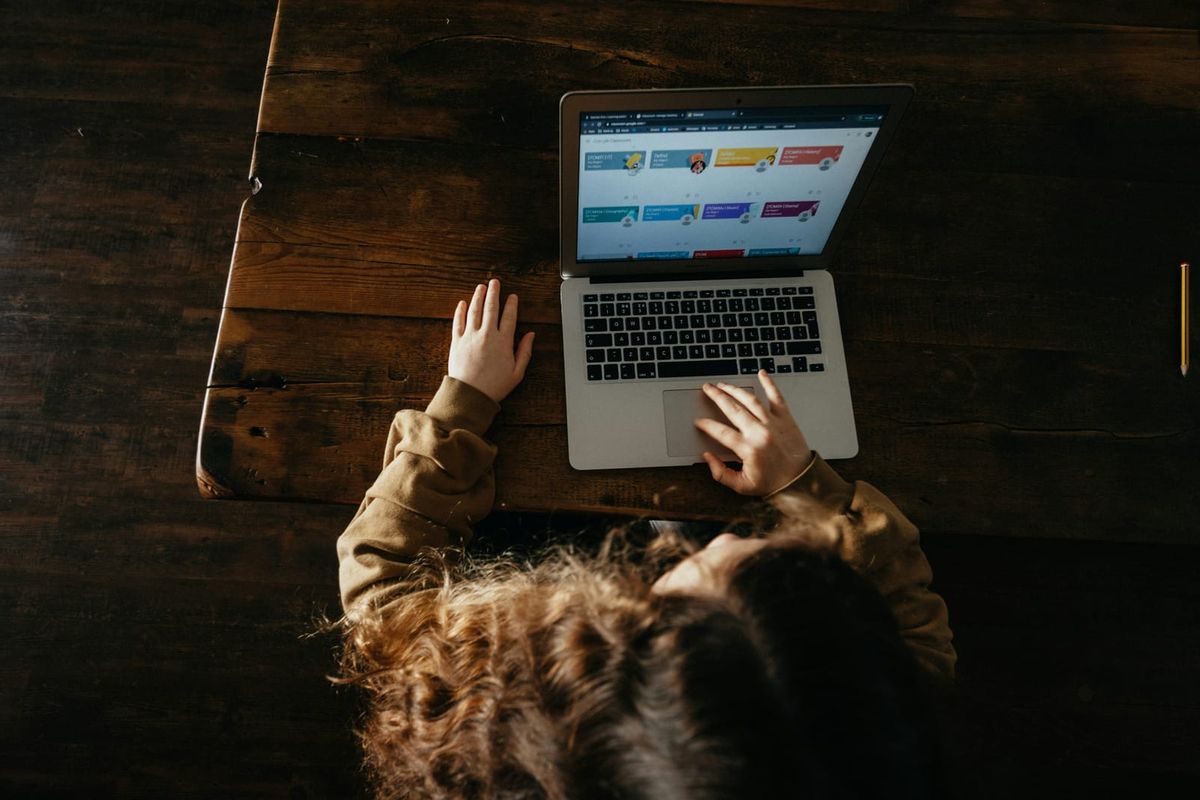
Your child joins from home, at their own desk, on their own computer. There's no packing a bag, no checking the weather and no arranging who drops them off. For families already juggling school, tuition and CCAs, that convenience is often what makes a class possible at all.
Everything is on the computer
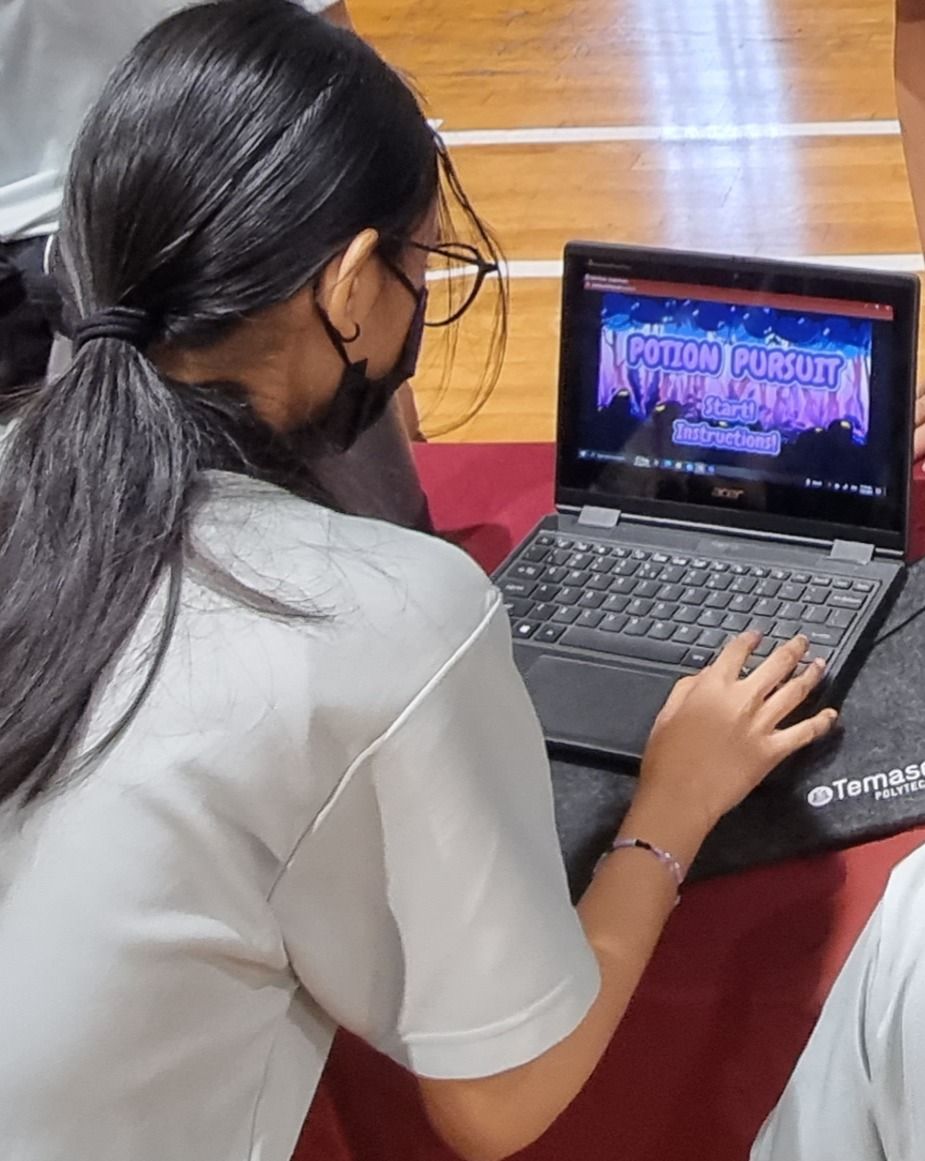
For subjects like coding, the lesson and the work live in the same place. The teacher shares their screen, your child follows along in their own editor, and the teacher can look at your child's screen to see exactly what they've written. Notes, links and files are all a click away, so nothing gets left behind in a classroom.
They save time
Students don't waste time travelling. A one-hour lesson stays a one-hour lesson, instead of turning into an afternoon once you add the journey there and back. That time goes back to homework, play or rest, which matters more than ever in a busy school term.
They're fast and efficient
Online classes tend to start on time and get straight to work. There's no settling into a room or setting up equipment: everyone clicks the link and the lesson begins. Moving between explanation, demonstration and practice is quick, because it all happens on the same screen.
The Downsides of Online Classes
Children may not always be fully engaged
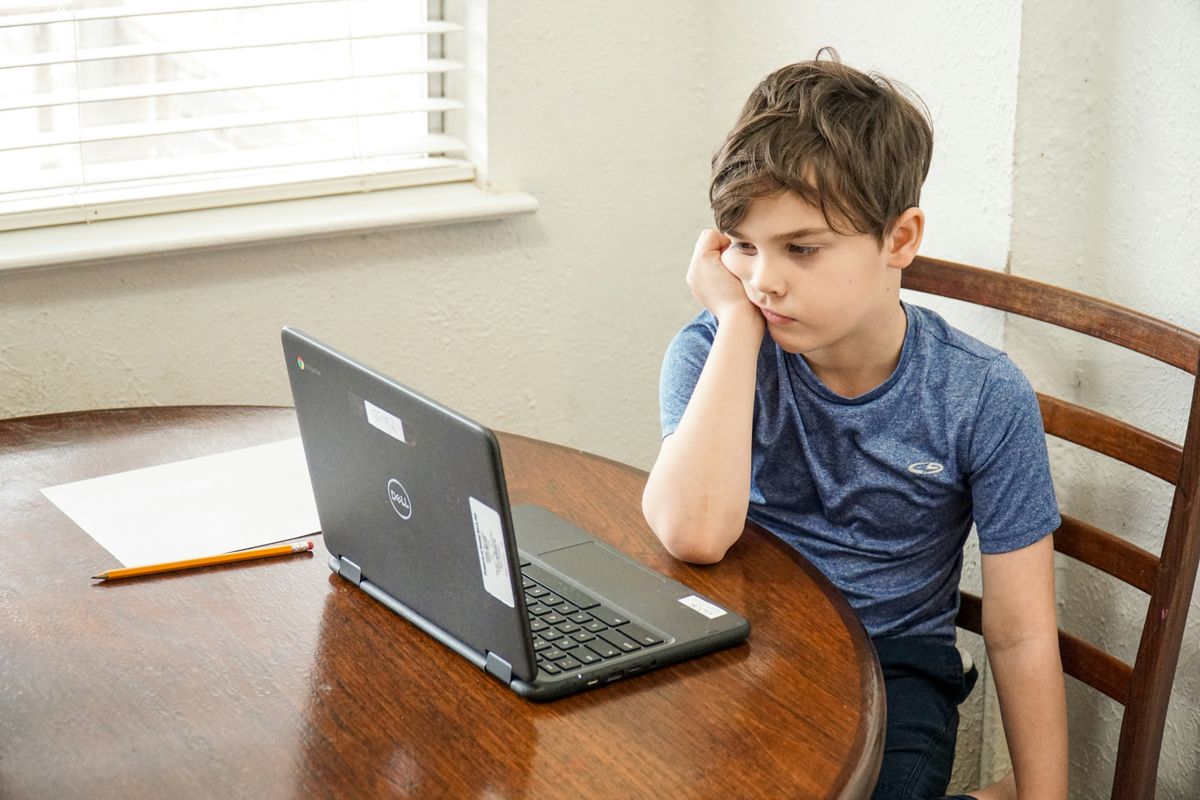
At home, a game, a video or a chat with a friend is only one tab away. Even well-meaning children can drift, and a teacher on the other side of a screen can't always tell that attention has slipped until a few minutes have already gone.
Some children feel shy on camera
Plenty of children don't like seeing their own face on screen, or feel awkward with a grid of strangers looking back at them. They may keep their camera off and stay muted, which makes it harder for the teacher to read how they're doing and harder for them to ask for help when they're stuck.
Younger children can struggle with the technology
Online learning asks a lot of the child before the lesson even starts. They have to switch between the Zoom window and their work, find the right tab, unmute at the right moment and share their screen when asked. For an adult that's second nature. For a seven- or eight-year-old it can be genuinely confusing, and every minute spent hunting for the right window is a minute not spent learning.
The Benefits of In-Person Classes
Children feel the teacher's presence immediately
When the teacher is in the same room, children know straight away that someone is there for them. A smile, a nod or a quick "nice work" over their shoulder lands very differently in person than through a speaker.
The ice breaks much faster
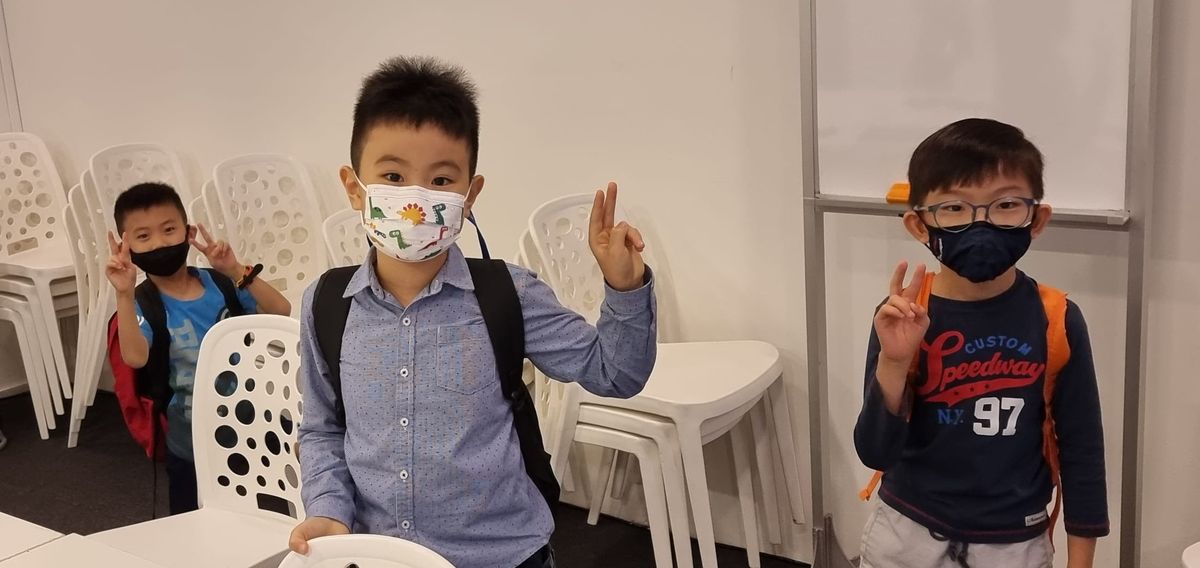
Children warm up to each other quickly when they're physically together. They chat while they unpack, laugh at each other's games and start helping one another without being asked. Online, that same comfort can take weeks to build; in a room, it often happens in the first lesson.
They experience the environment, not just a screen
A classroom is a place: the space, the other students, the buzz of everyone working on something. Children who spend much of their day looking at screens get to experience learning as something they go to and take part in, not just another window on their computer.
Technical problems are fixed on the spot
If a laptop won't connect, a program crashes or a child simply can't find the right button, the teacher walks over and sorts it out in seconds. There's no describing the problem down a microphone or trying to guide a child through settings remotely.
It's more fun, and children are more involved
Being there physically simply feels more like an event. Children get caught up in the energy of the room, show their work to the person next to them and get excited together when something works. That involvement is a big part of what keeps them coming back.
It's easier for the teacher to hold attention
In a room, a teacher sees a wandering eye or a stuck expression at a glance and can step in before a child loses the thread. A quick tap on the desk or a question asked face to face brings a child back far more easily than calling their name through Zoom.
So Which Should You Choose?
Online classes are often a great fit if your child:
- is around 10 or older and comfortable using a computer on their own
- is happy to unmute and ask for help when stuck
- can focus at a desk without someone in the room
- lives far from the class, or has a tight schedule where travel time matters
In-person classes are usually the better choice if your child:
- is younger, around 7 to 9, and still finding their way around a computer
- is shy and unlikely to speak up or turn on their camera
- gets distracted easily at home
- is new to the subject and needs the energy of a room to get hooked
Many families also mix the two: starting in person to build confidence and friendships, then moving online once the child is settled and independent. For a deeper look at how the format interacts with class size and teaching quality, see our comparison of online vs in-person coding classes.
Try Both at DotCode Campus
Our classes run in person at our Jurong East studio and live online, in small groups of up to 6, with the same instructors and the same projects either way. Small groups help with the weaknesses of both formats: online, the teacher can keep an eye on every screen, and in person, every child gets real one-to-one time.
Not sure which format suits your child? Start with a free 45-minute trial class and see how they respond. If it isn't the right fit, you can switch. Book a free trial class.