Python Programming
Never coded before? Perfect — no experience needed.
Start from zero and write real code — the world's most popular programming language, no experience needed.

// overview
About This Course
Python is the most widely used programming language in the world — it powers YouTube, Instagram, NASA research, and modern AI. It's also the language universities and employers recommend first, because its clean, readable syntax lets beginners focus on ideas instead of punctuation.
This course is built for complete beginners. Your child doesn't need to have coded before, and they don't need to be a maths whiz. Lesson one starts with a single line of code and ends with a program they can talk to. From there, each new idea arrives one small step at a time, and every step is taught by building something, never by memorising slides.
By the end, students have gone from their first line of code to complete programs: games they can play, tools that solve real problems, and a final project they design themselves. Getting stuck is treated as part of learning, not a sign of falling behind. Like all our coding programs for teens, it runs live in small groups of up to 6, so nobody is left stuck for long — online, or in person at our Jurong East studio.
// skills
What Your Child Will Learn
// curriculum
The Learning Journey
12 weeks · 6 modules · every module ends with a working project
Your First Lines of Code
No experience needed. Students set up a real code editor with an instructor alongside, write their first line of Python, and finish the first lesson with a program that asks their name and answers back. Then variables and input, building small interactive programs from day one.
Making Decisions
If/else statements and true-or-false logic. Students build a chatbot that responds differently based on what you tell it.
Loops & Patterns
For and while loops, plus turtle graphics — students write code that draws geometric art and animations, so every loop gives instant, visual feedback.
Functions & Organisation
Break programs into reusable functions with inputs and outputs. Students tidy up their earlier projects the way real developers do.
Working With Data
Lists and dictionaries unlock bigger programs: a quiz game with a question bank, and a score tracker that remembers every player.
Games & Final Project
Build classic games — number guessing, hangman, rock-paper-scissors — then design and build a final project of their own choosing, presented at demo day.
// toolbox
Tools They'll Use
Python 3
The current version of the world's most popular programming language — and one of the easiest to read.
VS Code
The same professional code editor used by developers everywhere, set up together in the first lesson.
Turtle Graphics
Python's built-in drawing library — instant visual feedback while learning.
// the course
The Course at a Glance
Try it free first
Book a free trial lesson — your child writes their first Python program with an instructor alongside, and you see exactly how we teach before committing to anything.
Book a Free Trial Lesson// outcomes
By the End of the Course
Your child starts with zero experience and finishes with programs they wrote themselves — and the confidence to keep going.
- A portfolio of working Python programs, including a self-designed final project
- Fluency in the fundamentals every language shares: logic, loops, functions, data
- Independent debugging skills — reading errors instead of fearing them
- The confidence to keep coding, and a direct path into our AI courses
// questions
Python Programming: FAQ
Is the Python course suitable for complete beginners?
Yes. No coding experience is needed. Students write their first line of Python in lesson one, and every new idea builds on the last in small steps. Classes are capped at 6, so an instructor is always on hand when someone gets stuck.
Does my child need to be good at maths?
No. The course uses everyday arithmetic at most. What matters is curiosity and a willingness to keep trying when something does not work the first time.
What age is the Python course for?
Ages 12–16. Younger children (7–12) usually start with our Roblox coding course, which builds the same logic through games before moving to typed code.
What can my child do after the Python course?
Keep building on their own, or move into our AI & Python course, where students build their own language model, and then AI Image & Video Generation.
// from the blog
Guides for Parents
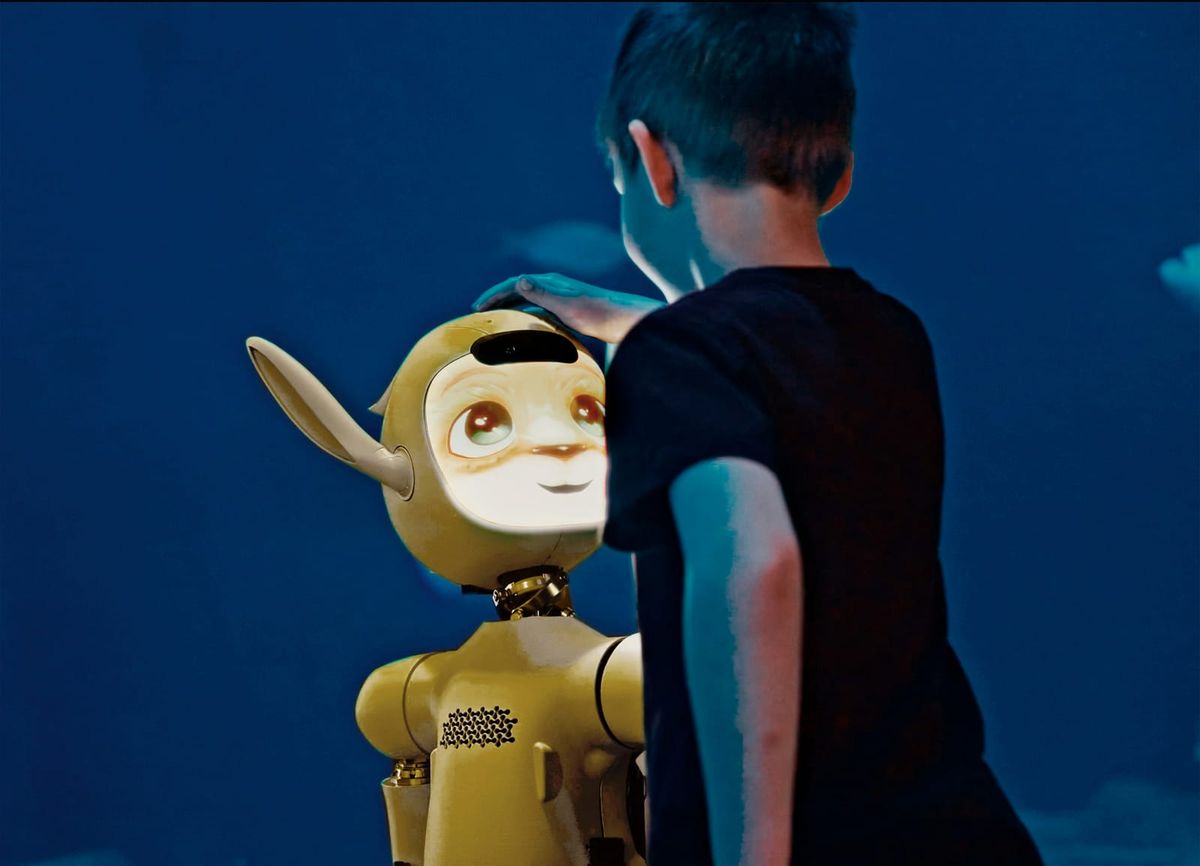
Python for AI: How a Teenager Should Actually Start
Every "learn Python for AI" roadmap online starts with six months of syntax before anything interesting happens. Most teens quit in week three. Here is the shorter route that actually holds their attention.
8 min read Read
Python for Kids in Singapore: What It Involves and Who It Suits
Why is Python the language almost every coding school starts with? What children actually build in it, the right age to begin, and how to tell a real Python course from a typing exercise.
4 min read Read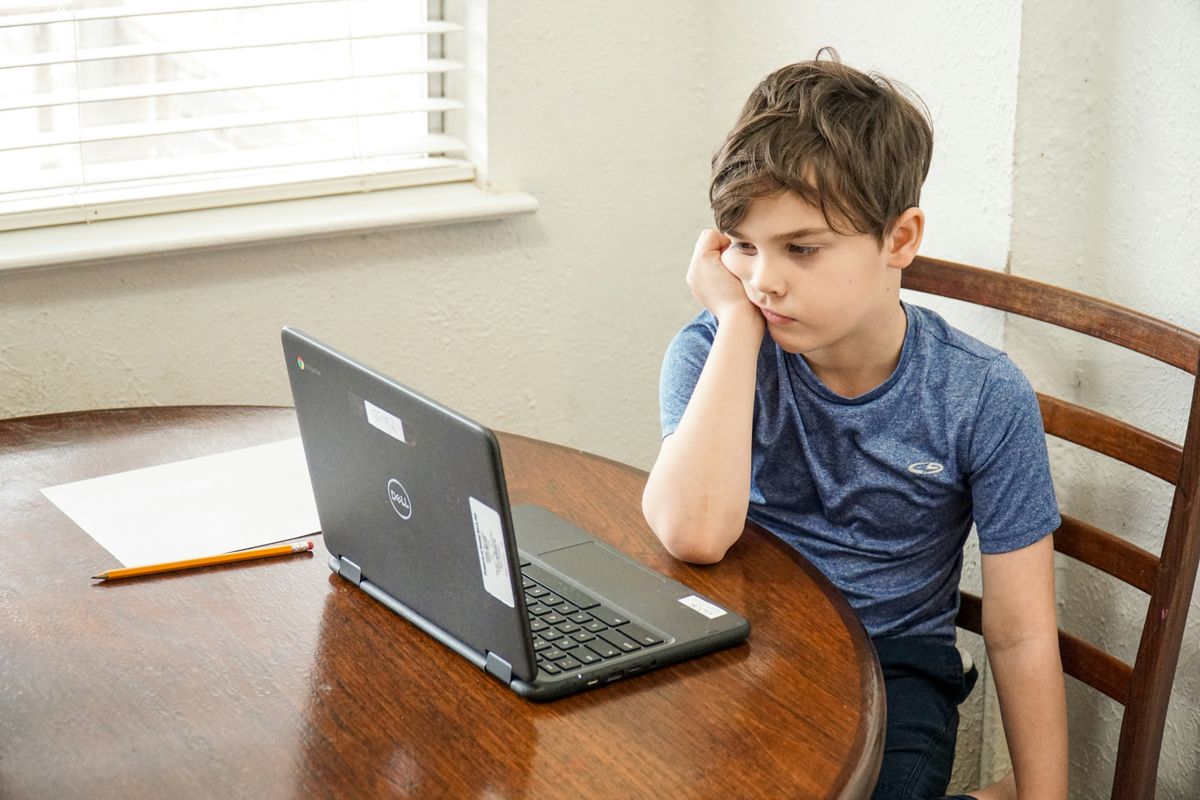
Should I Put My Child in Online or Offline Classes?
Online classes save time and keep everything on one screen. In-person classes break the ice faster and make it easier to stay involved. Here is how to weigh the two for your child.
6 min read Read
Ready to Start Building?
Book a free 45-minute trial class. No commitment, no credit card — just great learning.