// blog
Notes from the Campus
Practical guides for parents, stories from our classrooms, and the latest news from DotCode.
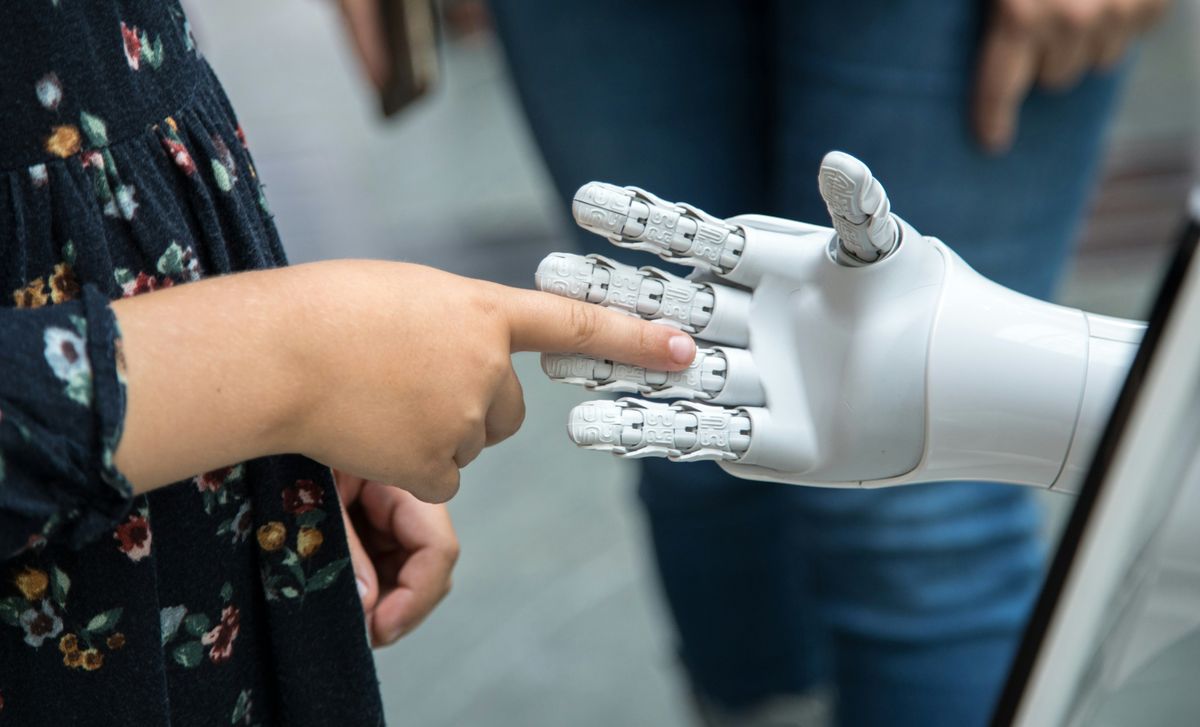
Can AI Help My Child Study for Exams?
Used well, an AI chatbot is one of the best study tutors your child will ever have: endlessly patient, available at 11pm, and happy to explain the same idea five different ways. Here is how to use it to revise, not to cheat.
Read post
Can Kids Make Money Making Games? A Parent’s Guide (Including Roblox)
Yes, if the game is genuinely fun to play. Here is where kids can publish their games, how earning Robux on Roblox works and why it is harder than it looks, and why making the game is the hard part, not selling it.
Read post
Is It Worth Learning to Code With AI?
AI can build an app in an afternoon, but left unguided it builds a shallow one. Here is why a little coding knowledge makes you 10x faster with AI, real expertise makes you 100x faster, and the fundamentals stay useful no matter what.
Read post
Should I Put My Child in Online or Offline Classes?
Online classes save time and keep everything on one screen. In-person classes break the ice faster and make it easier to stay involved. Here is how to weigh the two for your child.
Read post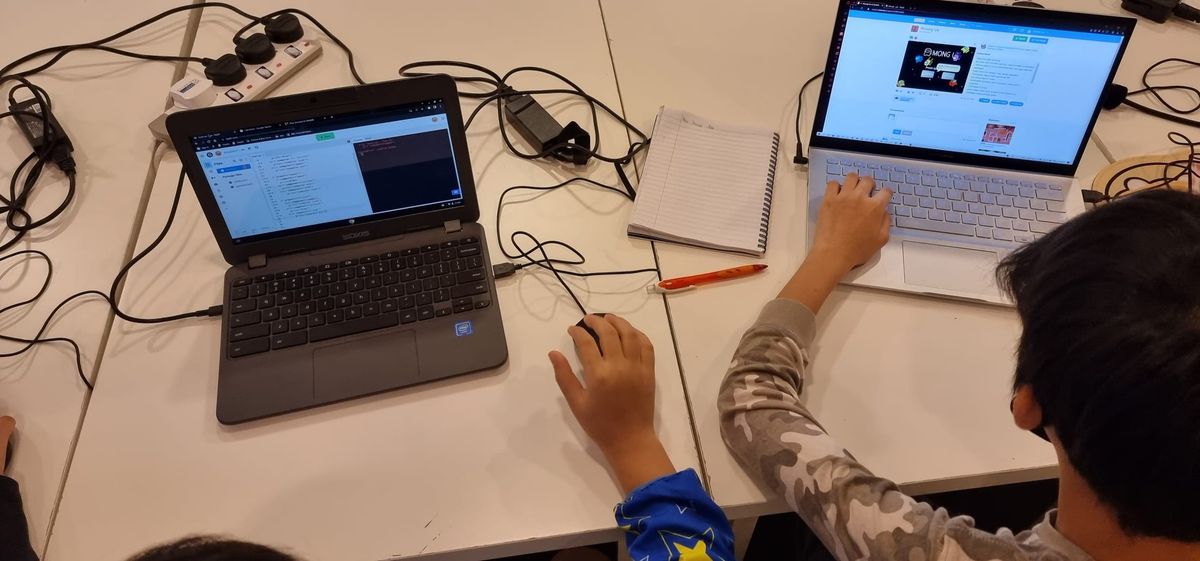
What Comes After Scratch? The Next Step for Kids Who've Outgrown Blocks
Your child has built every Scratch game they can think of and wants more. Here are the real options for what comes next, and how to match one to your child rather than to a list.
Read post
What Is Luau? Roblox's Coding Language, Explained for Parents
Your child says they are "scripting in Luau". Here is what that actually means, what the code looks like, and whether it is a good first programming language.
Read post
Free AI Coding for Kids in Singapore: 9 Ways to Start Without Spending a Cent
You do not need to pay anything for your child to start learning AI and coding. Here are nine genuinely free places to begin, a plan by age, and an honest note on when a paid class is worth it.
Read post
Our AI & Python Course Is Meant to Be Fun. It’s Also a Serious Mental Workout.
Laughing at a language model you built yourself is one of the best ways to learn how AI works. Our AI & Python course is designed to be fun, to make kids think hard, and to leave them understanding both AI and code.
Read post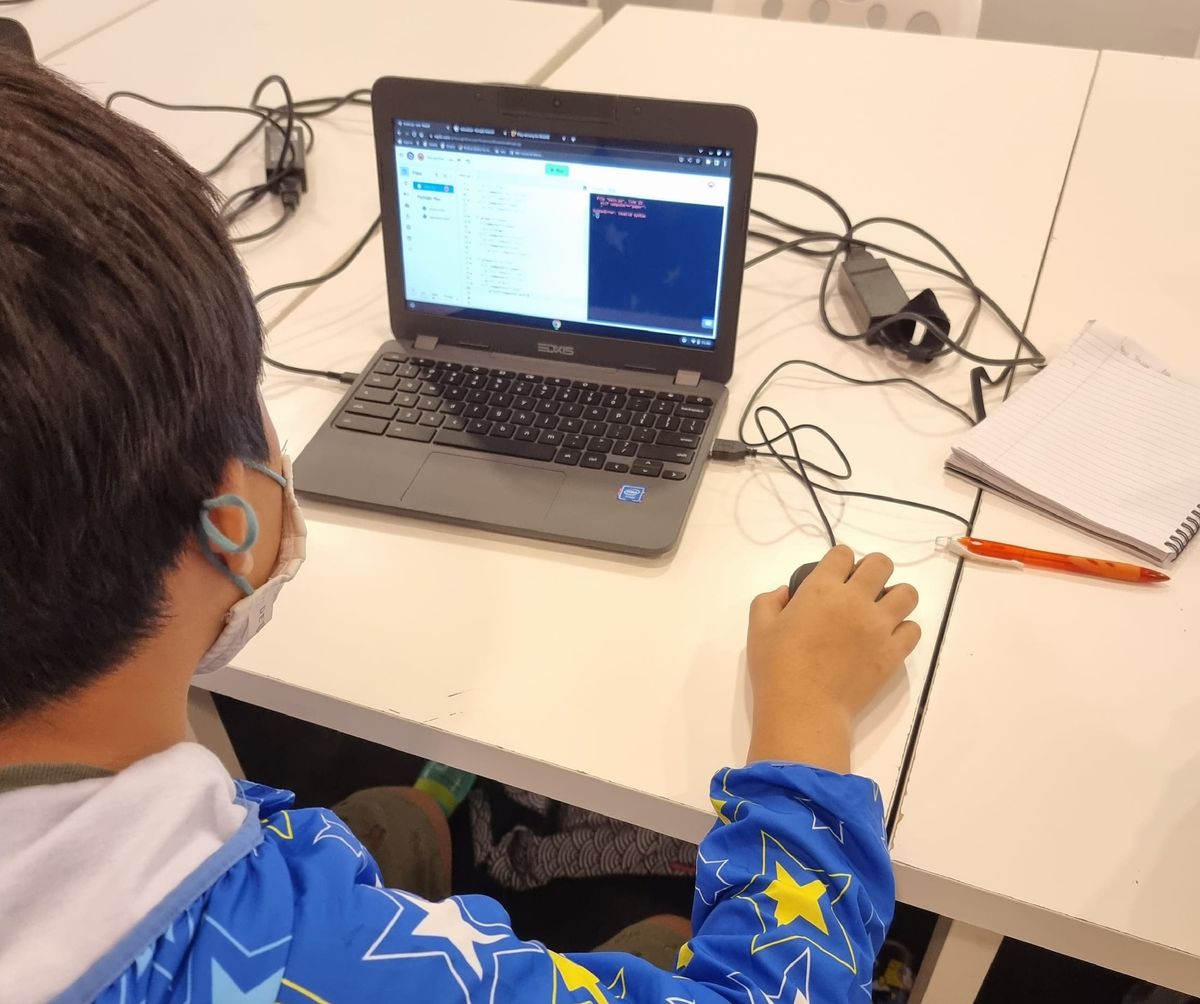
Learning With AI: Why Kids Should Understand It Before They Depend on It
AI is one of the best learning tools a child has ever had. It is also, by design, a little random. Kids who understand both of those things get the benefits without getting burned.
Read post
AI Classes for Kids and Teens in Singapore: What Our Students Actually Build
Our AI classes in Singapore teach kids and teens Python, then have them use it to build a word prediction engine of their own. The moment it writes its first sentence is the moment the course really starts.
Read postThe Benefits of Game Development for Kids: Coding, Creativity and Empathy
Building a game teaches events, loops and logic, then asks for creativity and empathy on top. For a child who loves games, it never feels like homework.
Read post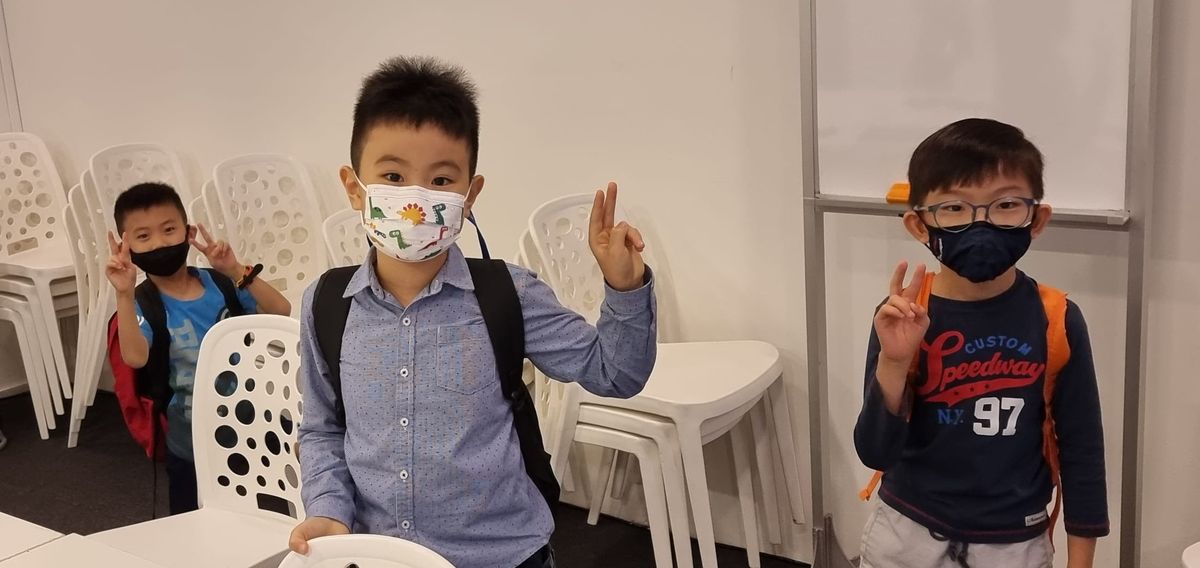
Coding Camp vs Weekly Classes: What's the Difference?
Same tools, very different week. A camp is faster and denser than a weekly class, and it asks more of your child. Here is why that is a good thing, and how to choose.
Read post
Is Coding for My Child? How to Know
Coding is just giving a computer instructions, and every child already knows how to follow those. The real question is whether they enjoy it. Here is a free way to find out.
Read post
AI Can Fake the Homework. It Can’t Fake the Explanation.
AI can produce a perfect worksheet in seconds, and no detector can reliably tell. But it cannot sit next to your child and explain how they got there. That is the test.
Read post
AI Guardrails Can Be Broken. Supervision Is What Keeps Kids Safe.
Many AI safety rules are a paragraph of text asking the AI to behave, and the right message can talk it out of them. Here is how that works, and why we chose supervision over trusting guardrails.
Read post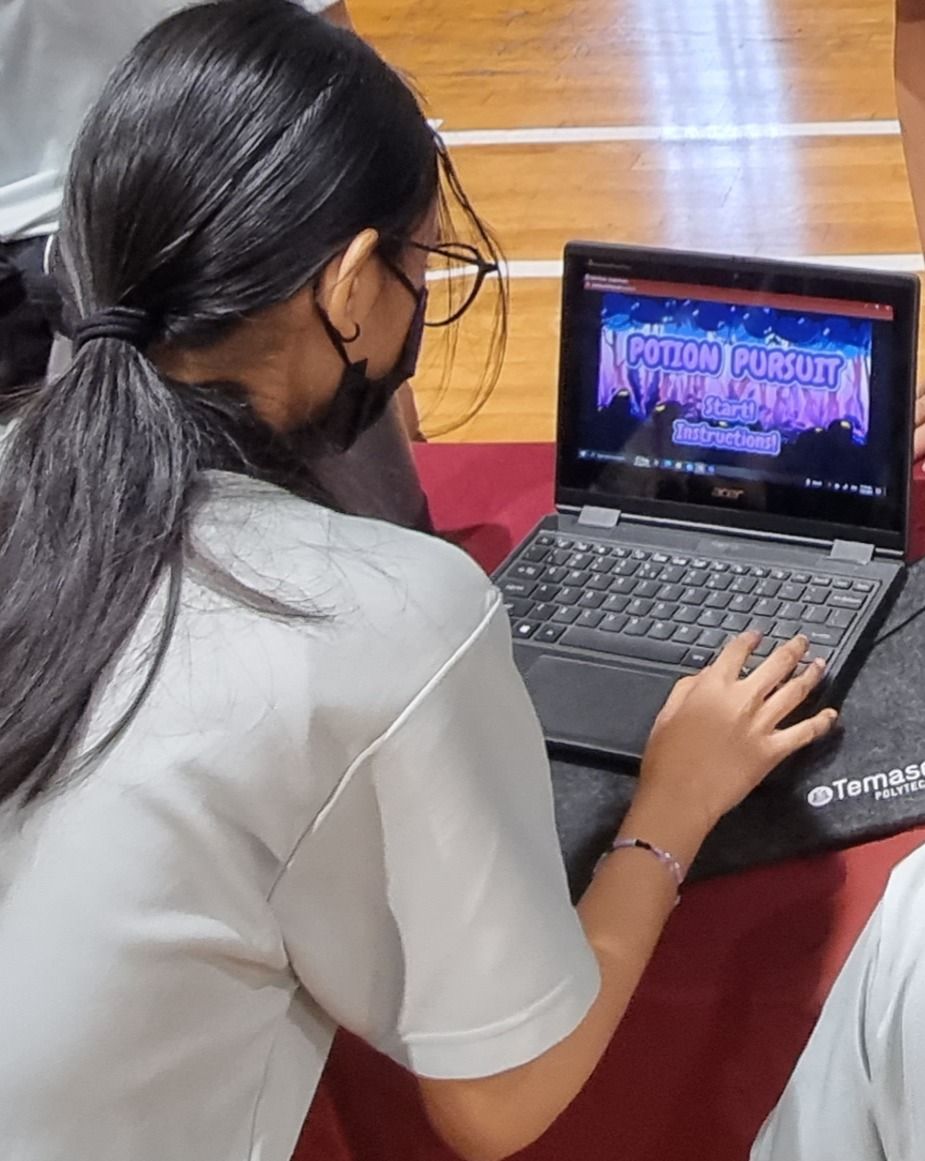
Game Development Courses for Kids and Teens in Singapore: A Guide by Age
A 7-year-old and a 15-year-old both want to make games, but they need very different courses. Here is what fits at each age, and how to tell when they are ready to move up.
Read post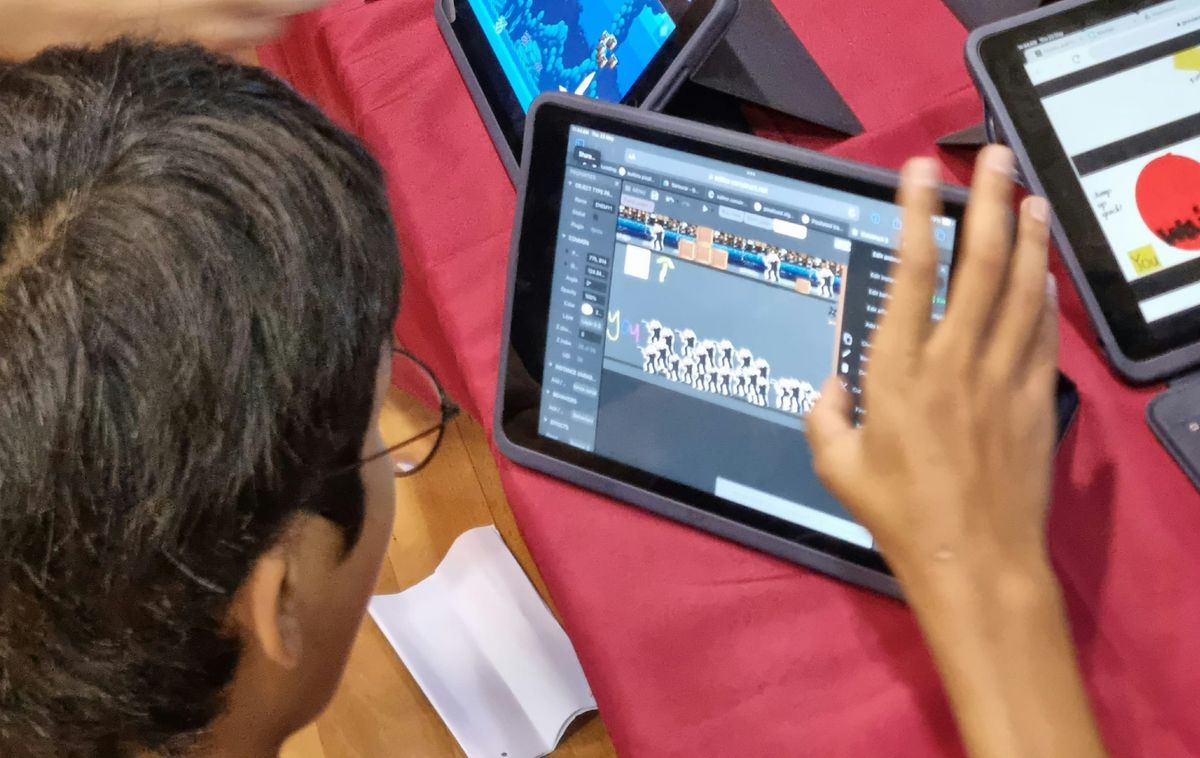
Game Development Course in Singapore: How to Choose, and Why Construct 3
Every game development course in Singapore promises "your child will build a game". How to tell the game dev classes that teach real skills from the ones that hand out templates.
Read postIs There Any Point Learning to Code Now That AI Can Code?
AI makes everyone faster at coding, but not by the same amount. Someone who cannot code might get 10x. Someone who understands code, algorithms and systems gets something closer to 1000x. That gap is the whole argument.
Read post
Why Physics, Chemistry and Math Tuition Matters More Than Ever
Physics, chemistry and math are where many secondary and JC students first fall behind. Here is why the right tuition makes such a difference, and what it looks like when it is done well.
Read post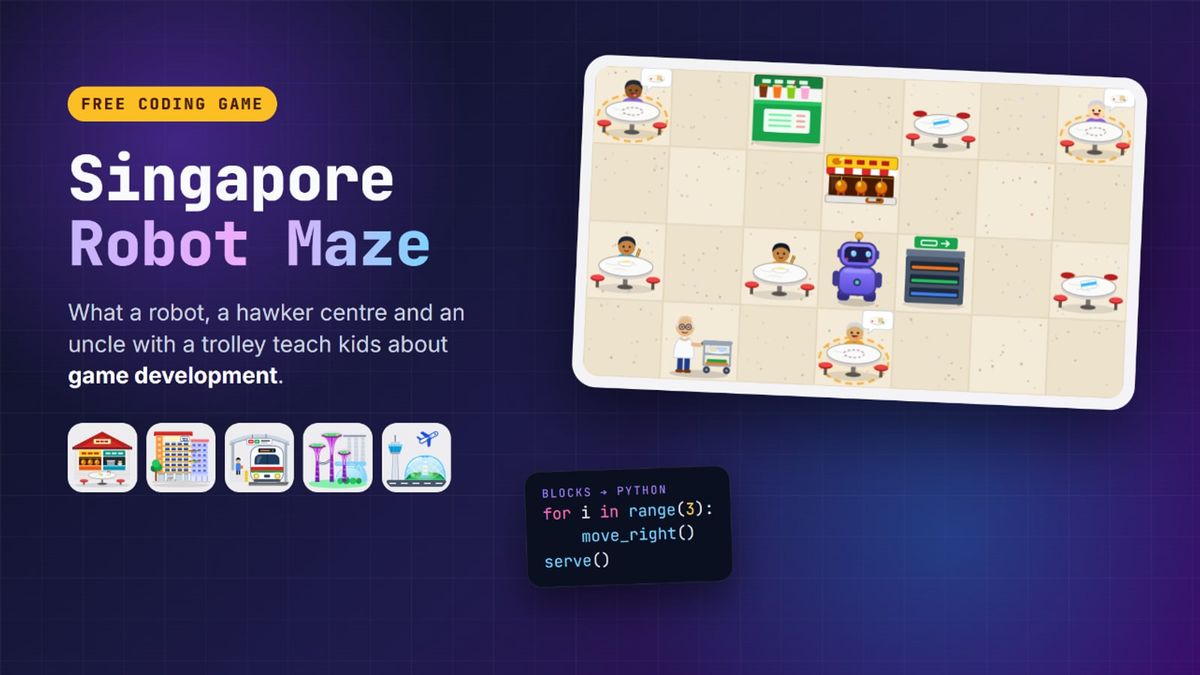
Game Development for Kids: What a Robot Maze Teaches About Making Games
We built a free coding game set in a hawker centre, an MRT station and Changi Airport. Here is what it quietly teaches kids about how real games are made.
Read post10 AI Project Ideas for Teens That Teach How AI Actually Works
Most "AI projects for students" are a chatbot wrapper around someone else's model. These ten have your teen build the AI themselves, in Python, and each one explains a piece of how ChatGPT really works.
Read post
Using AI for Homework: Where Help Ends and Cheating Starts
Banning AI from homework does not work, and allowing anything does not either. One simple test tells you whether a chatbot is helping your child learn or doing the learning for them.
Read post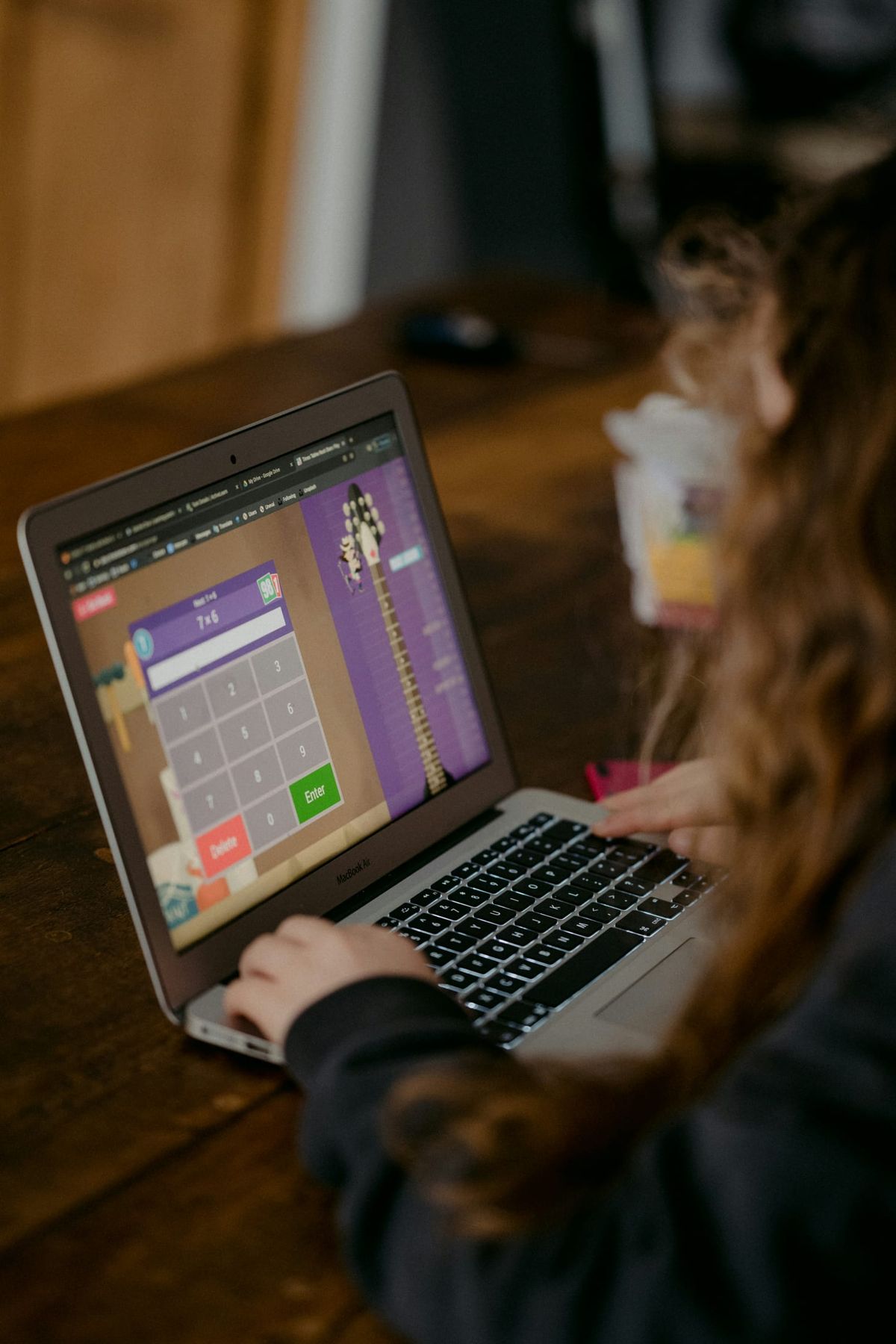
Does Coding Actually Help With School in Singapore?
Coding schools love claiming it boosts maths grades. Here is where that is genuinely true, where it is marketing, and how to fit it around PSLE and O-Level pressure.
Read post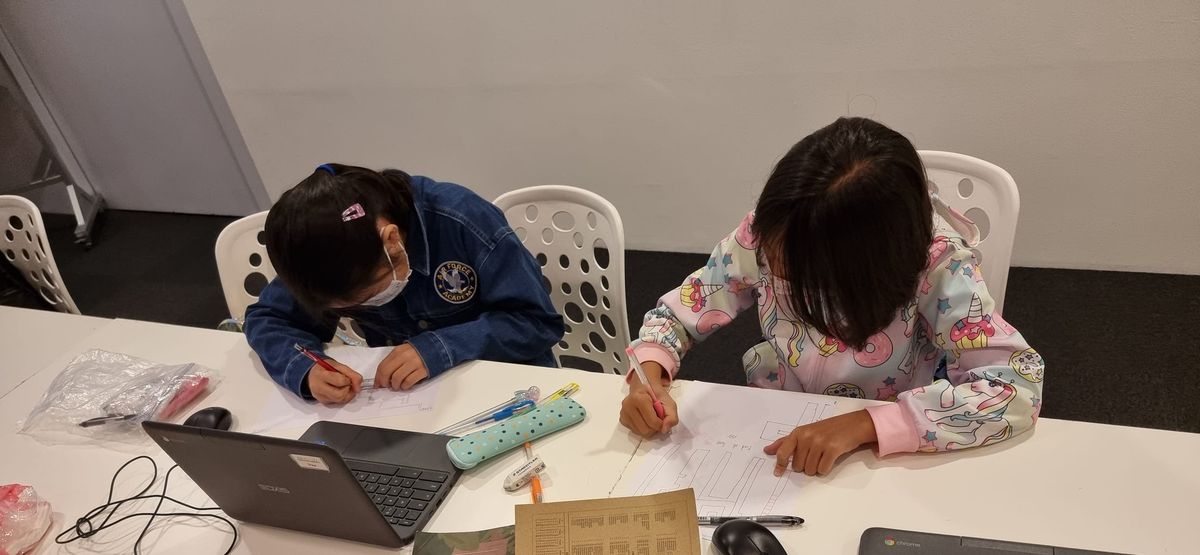
Game Development for Teens: From Playing Games to Building Them
Your teen plays games. Can they build them — and is that a real skill or an expensive hobby? What game development teaches, and where it genuinely leads.
Read post12 Coding Project Ideas for Kids (That They Will Actually Finish)
The best project is the one your child finishes. Twelve ideas sorted by level, what each one actually teaches, and the two rules that separate a finished project from an abandoned folder.
Read post
Online vs In-Person Coding Classes: Which Works Better for Kids?
We teach both, so here is the honest comparison: which children thrive online, what a physical classroom actually adds, and why the format matters less than two other things.
Read post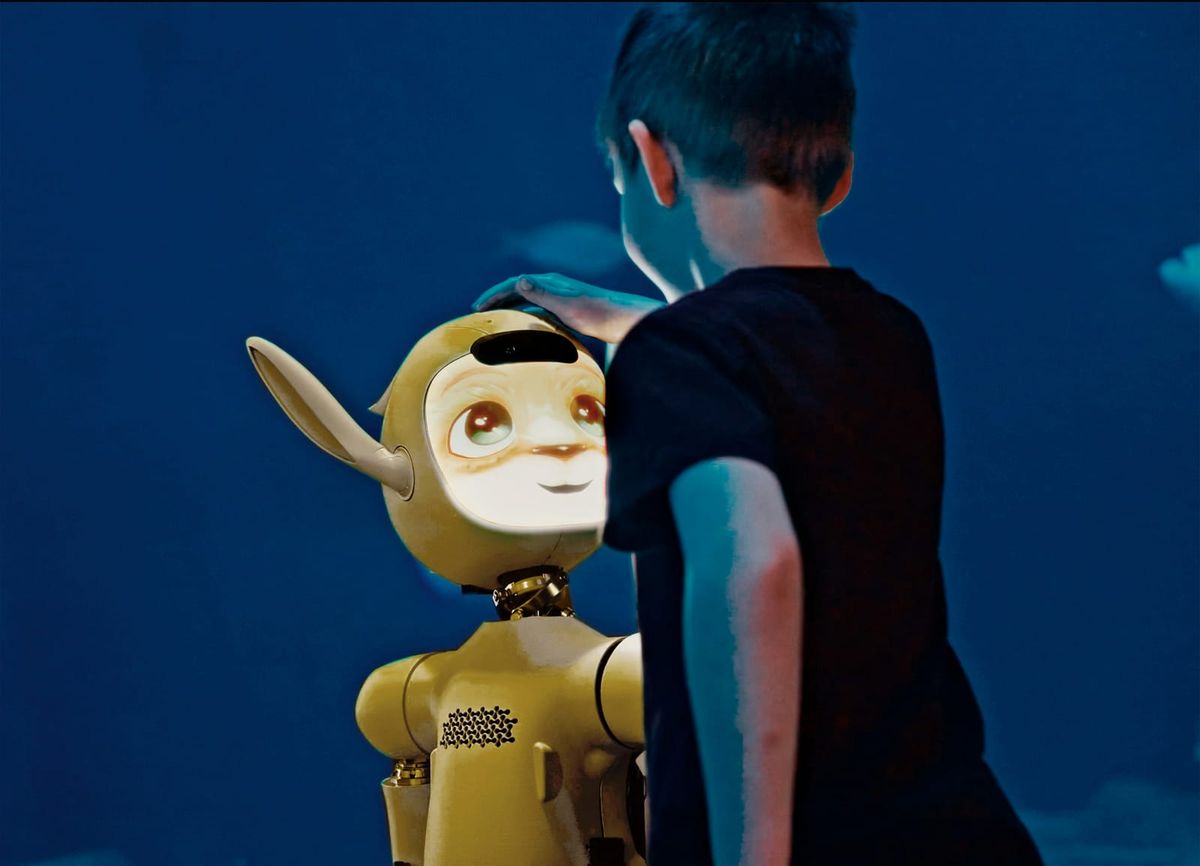
Python for AI: How a Teenager Should Actually Start
Every "learn Python for AI" roadmap online starts with six months of syntax before anything interesting happens. Most teens quit in week three. Here is the shorter route that actually holds their attention.
Read post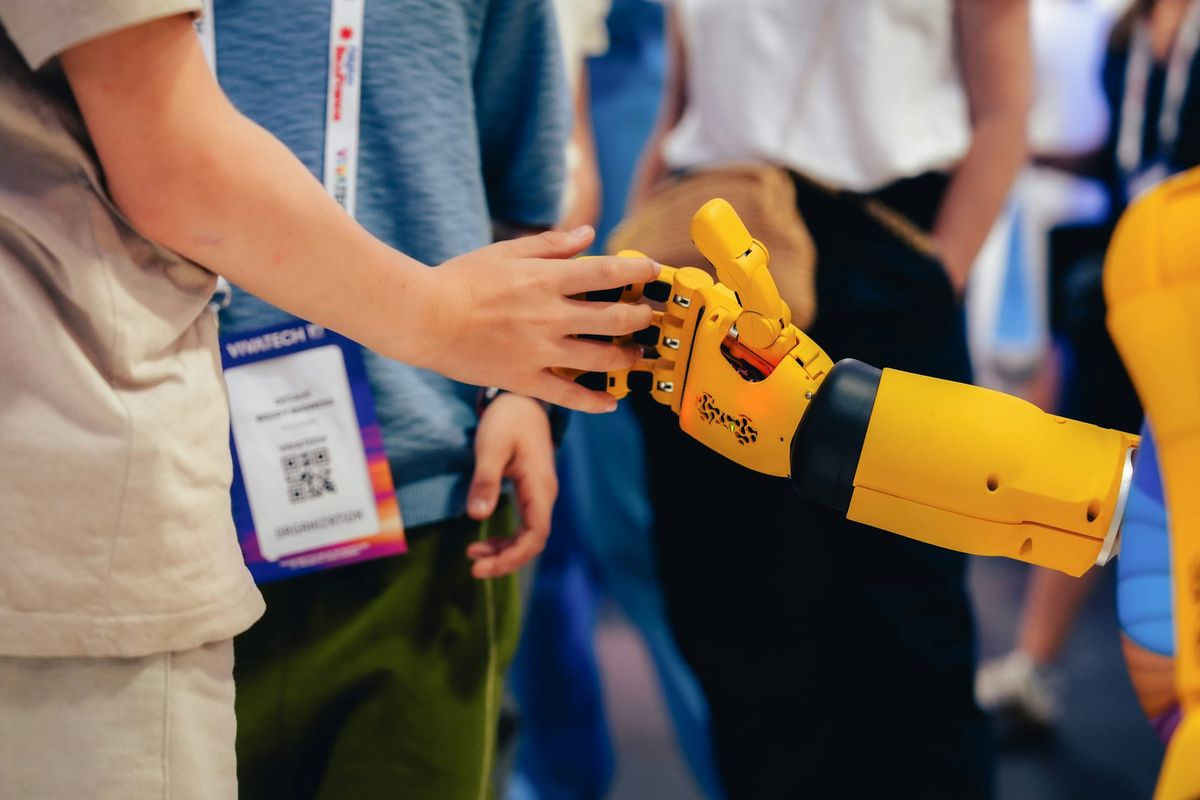
How Does ChatGPT Actually Work? A Plain Explanation for Parents and Teens
ChatGPT does not look anything up, and it has no way of knowing whether it is right. It guesses the next word, over and over, very well. Here is what that actually means — and why understanding it changes how your teen uses it.
Read postPython for Kids in Singapore: What It Involves and Who It Suits
Why is Python the language almost every coding school starts with? What children actually build in it, the right age to begin, and how to tell a real Python course from a typing exercise.
Read post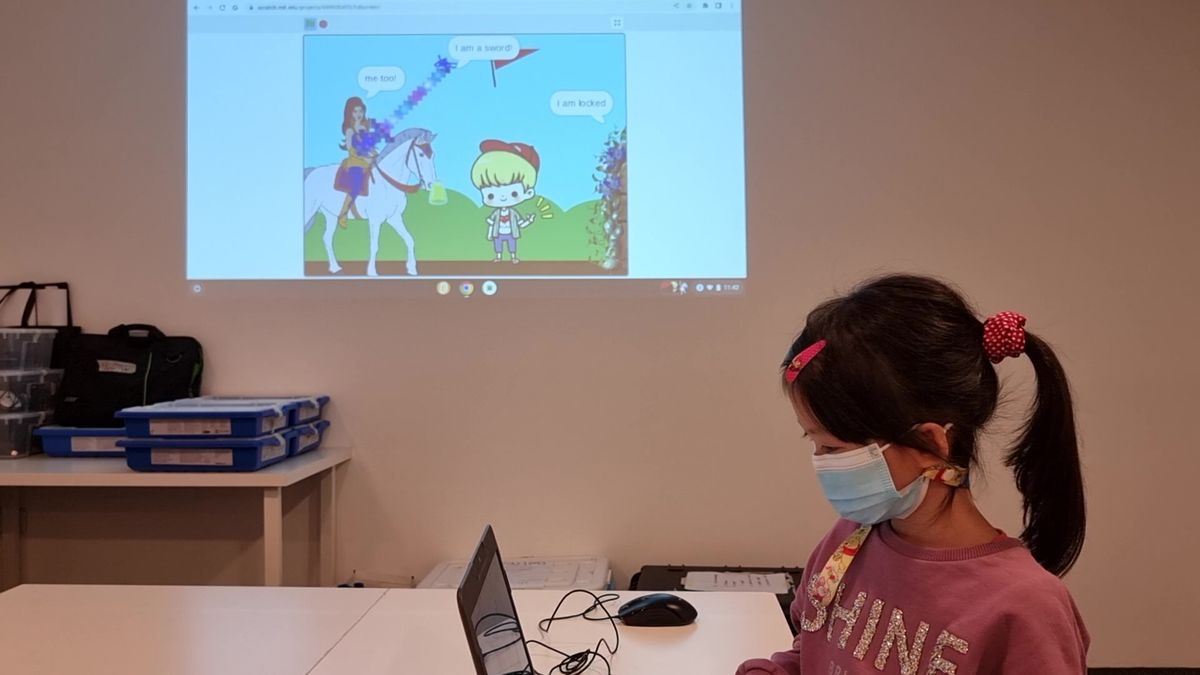
What Age Should Kids Start Coding?
Is five too young? Is fourteen too late? Age matters less than three specific signs of readiness — and starting later is far less of a disadvantage than most parents fear.
Read post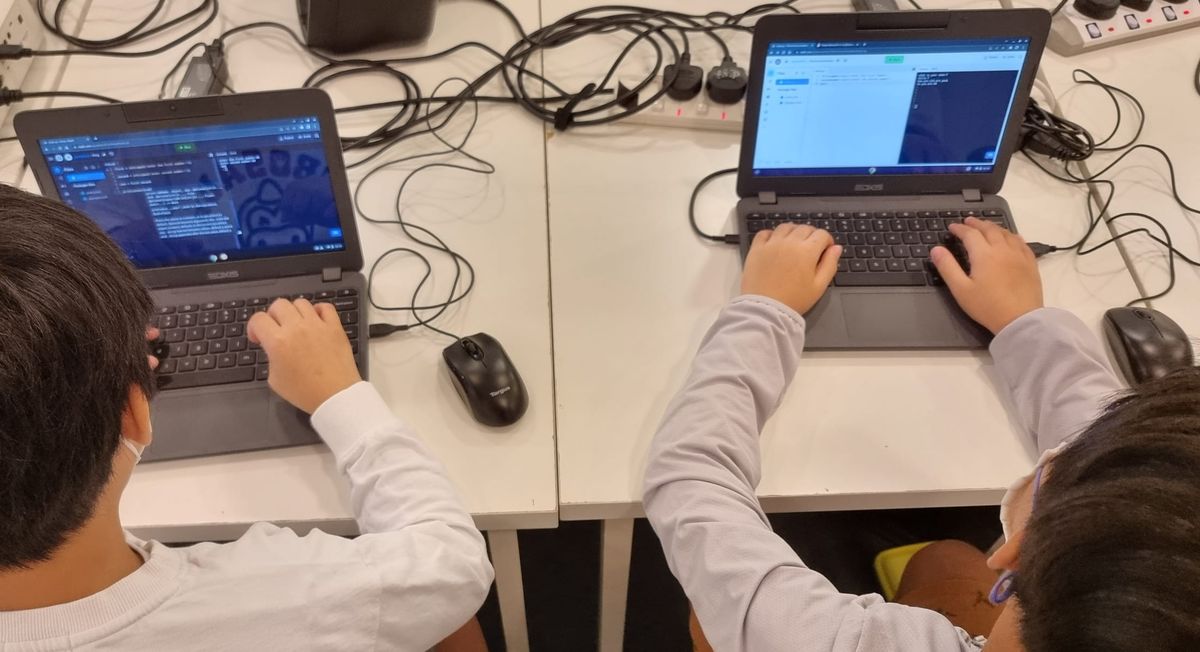
Scratch vs Python: Which Should Your Child Learn First?
Blocks or real code? Scratch and Python are not competing options — they are two stages of the same journey. Here is what each teaches, and how to tell when your child is ready to move on.
Read postAI and Coding for Kids and Teens: What to Learn at Each Age
If AI can write code, should your child still learn to? Yes — but what they learn should change with their age. A practical guide to AI and coding for kids and teens, from 7 to 17.
Read post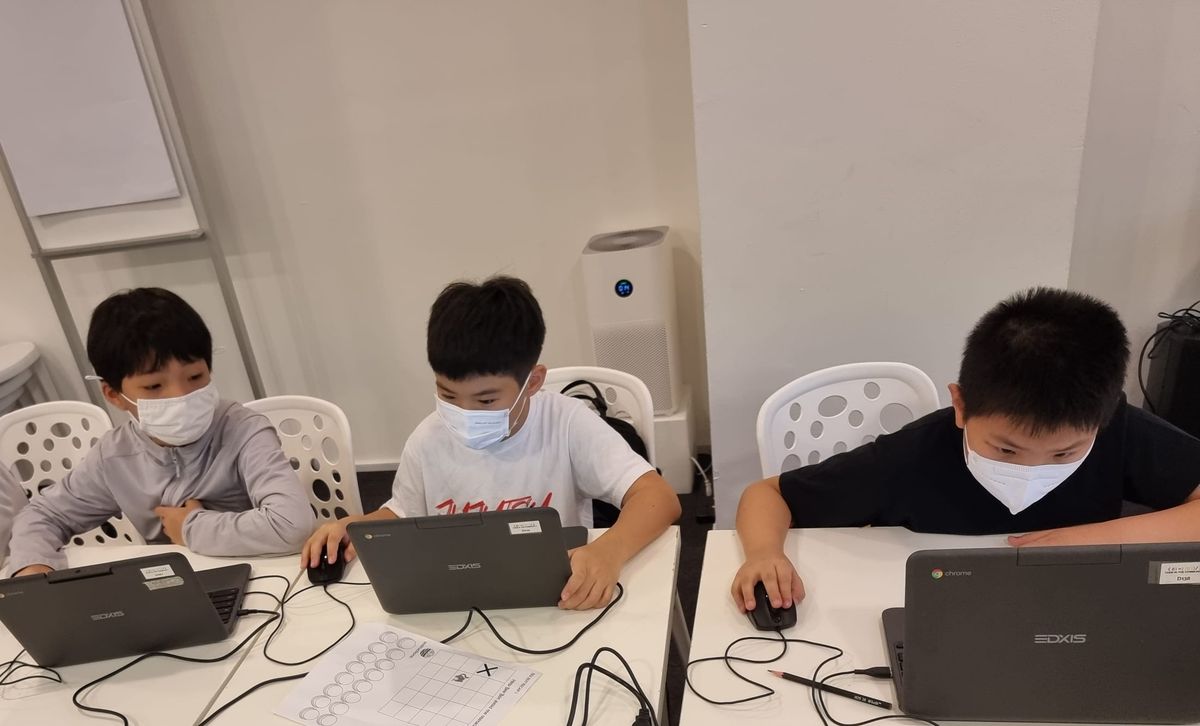
Coding Classes for Kids in Singapore: A Parent's Guide to Choosing
There are a lot of coding schools in Singapore, and they don't all teach the same thing. Here's what to look at before you book — from the right age to start to the questions worth asking on a trial class.
Read postRoblox Coding for Kids in Singapore: A Parent's Guide
Your child already plays Roblox. Can building Roblox games actually teach them to code? A parent's guide to Roblox Studio, Luau, the right age to start, safety, and where it leads.
Read postAI for Kids: A Parent's Guide
Your kid has almost certainly used AI today. Here's a plain-English guide for parents: what AI actually is, why it's worth understanding, how to keep it safe, and a few myths to drop.
Read post
Introducing DotCode AI: The Latest AI Models, in One Place for Our Students
Our students don't just learn how AI works — now they get to put the real thing to the test. DotCode AI brings the latest models from the leading AI providers into one platform, built for DotCode students.
Read post
STEM Futures: Why Your Teen Needs AI & Python Today
A perfect A1 used to guarantee a spot in top STEM programs at NUS or NTU. Now admissions boards want builders — why pairing Physics and Maths with Python and AI gives your teen the edge.
Read post
Ready to Start Building?
Book a free 45-minute trial class. No commitment, no credit card — just great learning.